How Lithium Batteries Are Manufacturing

HOW LITHIUM BATTERIES ARE MANUFACTURING:
Lithium-ion batteries are manufactured through a multi-step process that involves several key steps:
Preparation of materials: The materials needed to make a lithium-ion battery, such as lithium cobalt oxide (for the cathode), graphite (for the anode), and an electrolyte solution, are carefully prepared and purified.
Electrode production: The cathode and anode materials are processed into thin sheets, which are then rolled into long cylindrical shapes and cut to the desired length. The electrodes are then punched with small holes to increase their surface area.
Assembly of cells: The cathode and anode sheets are stacked alternately with a separator in between. The cells are then placed in a cylindrical metal casing, and the ends are sealed with a metal cap.
Filling with electrolyte: The cells are filled with an electrolyte solution, which allows ions to flow between the cathode and anode during discharge and charging.
Sealing and testing: The cells are sealed with a metal cap and subjected to various tests, such as voltage and capacity measurements, to ensure they meet performance and safety specifications.
Battery pack assembly: Individual cells are combined to form a battery pack, which is then integrated into the device it will power.
This is a general overview of the process of manufacturing lithium-ion batteries. The exact process may vary depending on the specific type of battery and the manufacturer. However, the goal remains the same: to produce high-quality, safe, and reliable lithium-ion batteries for use in a wide range of applications.
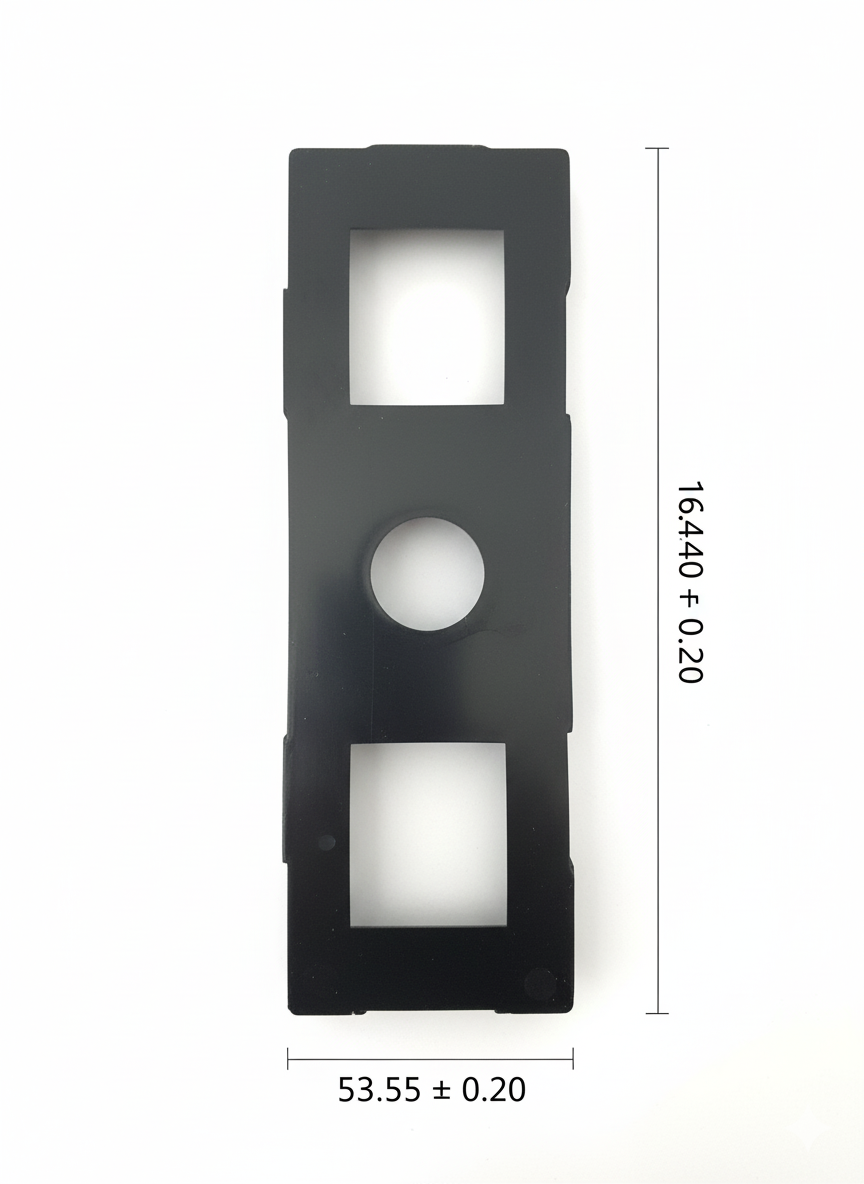
Aasic plastic manufacturer of cell holders in india, to pack lithium batteries safely.
Author :
S.MOHAMED ASIK MBA.,
Marketing Manager | Aasic plastic, Trichy
Mail : aasicplastic@gmail.com
Web : www.aasicplastic.com