Sodium Ion Batteries 🧪⚡: Advantages and Disadvantages

Sodium Ion Batteries : Advantages and Disadvantages
Introduction
In the quest for cleaner and more efficient energy storage solutions, Sodium Ion batteries have emerged as a promising alternative to traditional lithium-ion batteries. As the world seeks sustainable power sources, Sodium Ion batteries are at the forefront of innovation. In this blog, we'll explore the advantages and disadvantages of Sodium Ion batteries, while shedding light on Aasic Plastic, a leading cell holder manufacturer, and their role in securing these batteries. ⚡🔋
Sodium Ion Batteries: The Advantages ⚖️🔋
Let's start by examining the compelling advantages of Sodium Ion batteries:
🌱 1. Abundance of Sodium: Sodium is abundant and widely available, reducing concerns about resource scarcity compared to lithium-ion batteries.
🔋 2. Similar Energy Density: Sodium Ion batteries offer energy densities comparable to lithium-ion batteries, making them suitable for various applications.
🔋 3. Cost-Efficiency: Sodium is more cost-effective and less expensive to extract than lithium, potentially leading to more affordable energy storage solutions.
🌡️ 4. Wide Temperature Range: Sodium Ion batteries can operate efficiently in a broad temperature range, making them suitable for diverse climates and applications.
🧪 5. Eco-Friendly: Sodium is a non-toxic and non-flammable element, making Sodium Ion batteries a safer and more environmentally friendly choice.
The Disadvantages of Sodium Ion Batteries 📉🔋
While Sodium Ion batteries offer exciting advantages, they also come with certain drawbacks:
🔌 1. Lower Energy Density: Compared to lithium-ion batteries, Sodium Ion batteries have slightly lower energy densities, which can affect their performance in high-demand applications.
⏳ 2. Limited Cycle Life: Sodium Ion batteries may have a shorter cycle life compared to lithium-ion batteries, which can impact their long-term reliability.
🔋 3. Larger Size and Weight: Sodium Ion batteries typically require larger and heavier cell components, making them less suitable for compact devices.
🔋 4. Emerging Technology: Sodium Ion battery technology is still in the early stages of development, which means there may be uncertainties about their long-term performance and availability.
Aasic Plastic: Securing Sodium Ion Batteries 🔒🔋
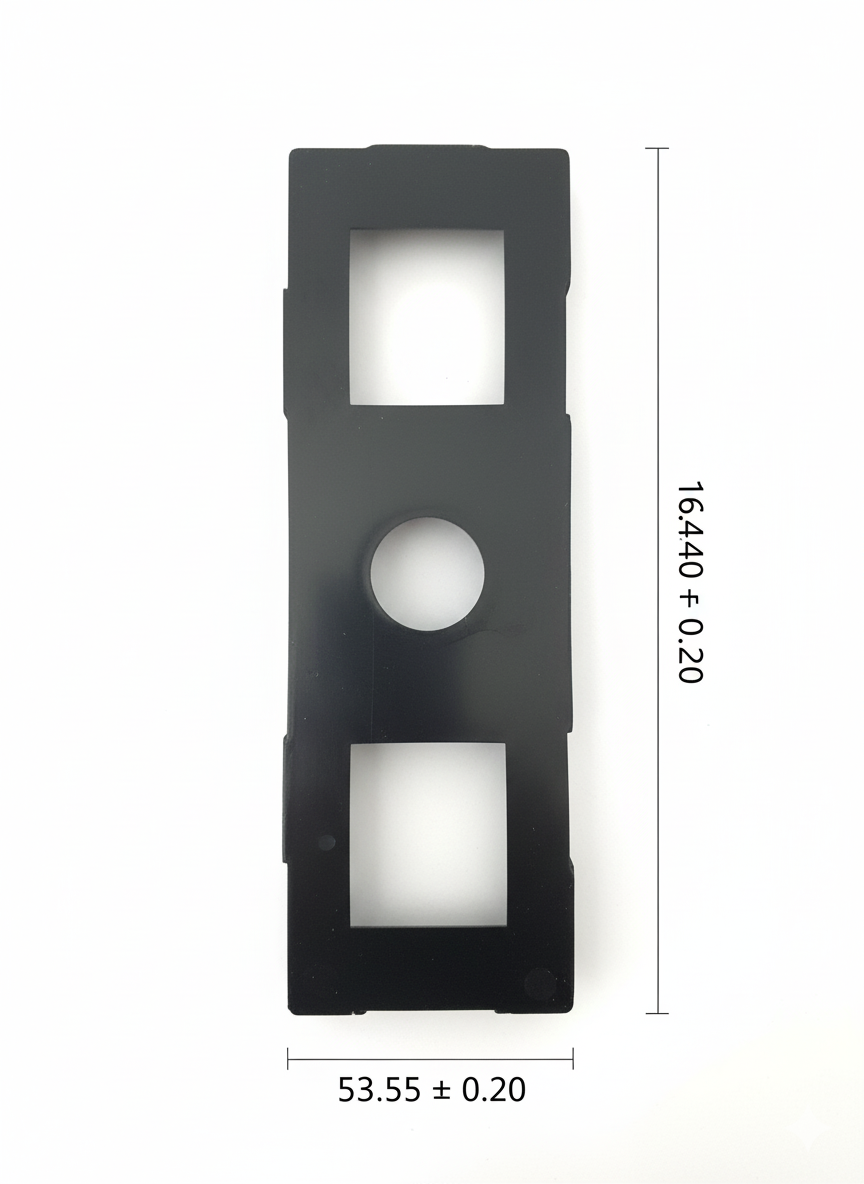
Aasic Plastic, a renowned cell holder manufacturer, plays a crucial role in the safe and secure packaging of Sodium Ion batteries. Their innovative cell holders ensure that these batteries are well-protected, enhancing their durability and safety.
Conclusion
Sodium Ion batteries represent a promising step toward cleaner and more sustainable energy storage solutions. Their abundance, cost-efficiency, and eco-friendliness make them a compelling choice. However, it's essential to consider their lower energy density, limited cycle life, and emerging technology status.
As Sodium Ion batteries continue to evolve, Aasic Plastic remains committed to providing advanced cell holders that enhance their safety and reliability. The journey toward harnessing the full potential of Sodium Ion batteries is just beginning, and Aasic Plastic is here to ensure that it's a secure and promising one. 🧪⚡🔋
https://www.aasicplastic.com/Home | aasicplastic@gmail.com | +91 9123513678